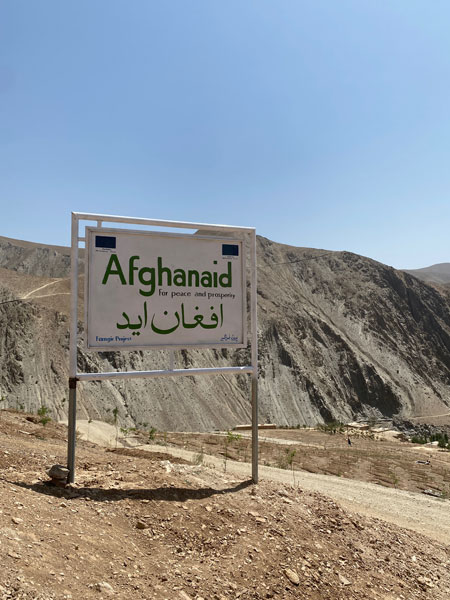
Across 2025, we continued to implement our flagship inclusive livelihoods programme, named ‘Faragir’, which translates to 'inclusive' in Dari.
Generously funded by the EU and our supporter community, this vital project aims to strengthen income opportunities, food security and climate resilience for underserved communities across Afghanistan, with a specific focus on addressing the unique challenges faced by women and persons with disabilities.
In 2025, the Faragir project delivered training in a variety of vocational skills to thousands of men and women. From carpentry to mobile phone repair and food processing to tailoring, we ensured that whatever challenges an individual faced, they were able to build their own accessible and sustainable livelihood. Working across six of Afghanistan’s most rural provinces, the programme supported over half a million people in 2025.
This important project was delivered in two phases. In the first phase, we focused on helping communities cope with climate change and economic shocks. We restored and protected watersheds, strengthened food systems so families can grow and access crops, and supported people to earn their own incomes and start sustainable businesses.
The second phase is about making sure this progress lasts. We are providing further training to people running small businesses, expanding support to reach more families, and equipping communities with the knowledge and tools they need to care for their families and protect their land for generations to come.
In 2025, the Faragir project delivered training in a variety of vocational skills to thousands of men and women. From carpentry to mobile phone repair and food processing to tailoring, we ensured that whatever challenges an individual faced, they were able to build their own accessible and sustainable livelihood. Working across six of Afghanistan’s most rural provinces, the programme supported over half a million people in 2025.
This important project was delivered in two phases. In the first phase, we focused on helping communities cope with climate change and economic shocks. We restored and protected watersheds, strengthened food systems so families can grow and access crops, and supported people to earn their own incomes and start sustainable businesses.
The second phase is about making sure this progress lasts. We are providing further training to people running small businesses, expanding support to reach more families, and equipping communities with the knowledge and tools they need to care for their families and protect their land for generations to come.